
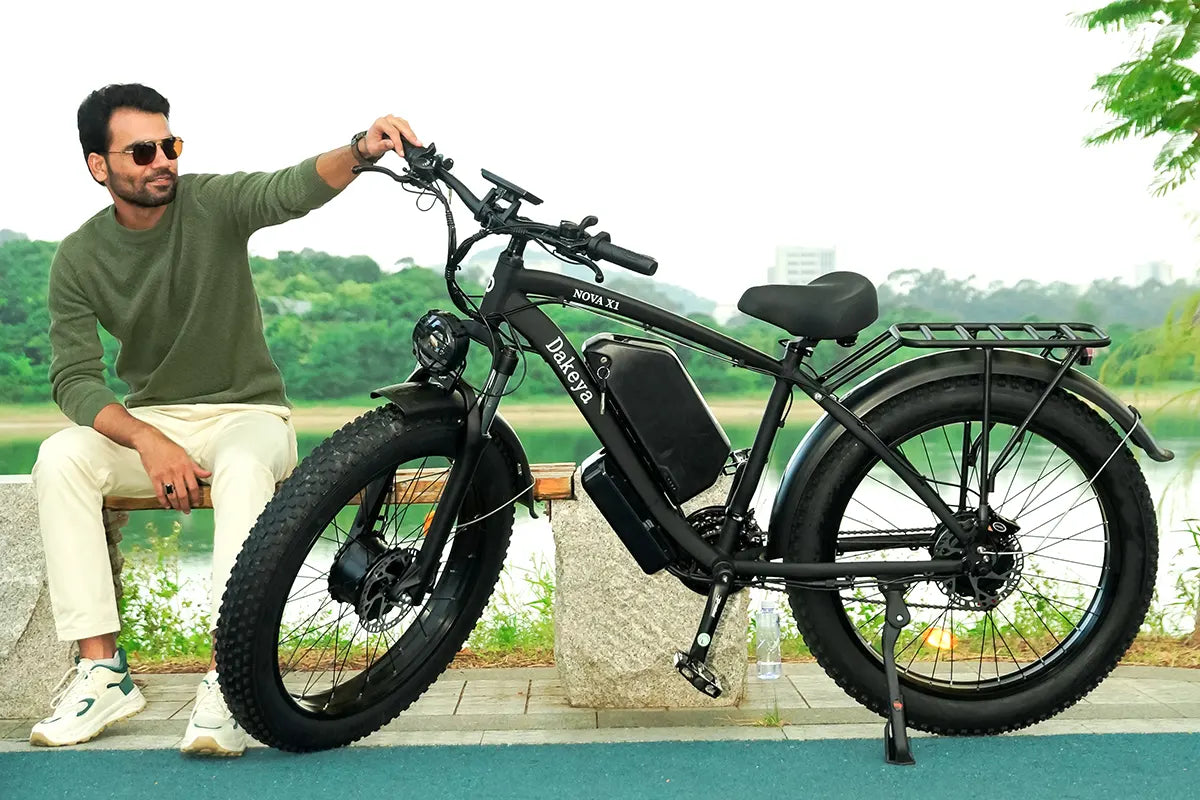
How to Choose the Right Electric Bike in 2026: A Complete Buyer’s Guide

Electric bikes have evolved significantly over the past few years. In 2026, riders are no longer choosing between just “fast” or “slow” eBikes - they are selecting bikes based on terrain, battery longevity, speed regulations, budget, and long-term comfort.
This guide is designed to help you understand the different types of electric bikes, compare them realistically, and choose one that fits your riding style and expectations.
Understanding the Main Types of Electric Bikes

Before narrowing down specs, it’s important to understand how electric bikes are categorized today.
Commuter Electric Bikes
Commuter eBikes are built for daily transport - smooth roads, bike lanes, and light inclines. They typically feature moderate motor power, slimmer tires, and efficiency-focused pedal assist.
If you’re unsure whether a commuter bike fits your needs, this breakdown explains the basics:
What Type of Bike is a Commuter Bike?
Electric Mountain Bikes (eMTBs)
Electric mountain bikes are designed for rougher terrain, trails, gravel paths, and uneven surfaces. They usually feature stronger frames, higher-torque motors, wider tires, and front or full suspension systems.

To understand how eMTBs are evolving this year:
Electric Mountain Bikes in 2025: Technology & Buying Insights
Who Should Choose an Electric Mountain Bike?
Electric mountain bikes are suited for riders who:
-
Ride on trails, hills, or mixed terrain
-
Prefer extra power and torque
-
Value stability and control
-
Want an adaptable bike for both leisure and utility riding
If you’re comparing mid-range options, this article breaks down key trade-offs:
Comparing Electric Mountain Bikes in the $2,000 Range
For riders focused on comfort during rough trail riding:
Comparing Full-Suspension Electric Mountain Bikes for Real Trails
And for those who prioritize traction and stability:
11 Best Fat Tire Electric Bikes 2025 – Ride Anywhere in Style
Battery Life & Range: What Matters Most
Battery performance is one of the most important long-term considerations when buying an electric bike. Range claims often vary due to riding conditions, weight, assist level, and terrain.

To understand how batteries age and what realistic lifespan means:
How Long Do eBike Batteries Really Last? (2025 Guide)
If long distance riding matters to you, this comparison helps put numbers into context:
Best Long-Range Electric Bikes in 2025: Dakeya vs Heybike vs RadPower
Speed, Pedal Assist & Legal Considerations
Electric bike performance is closely tied to local regulations. Most regions classify eBikes into assist-based classes that affect speed limits and riding permissions.

To better understand pedal assist systems and how they impact riding feel:
Top 10 Pedal Assist Electric Bikes of 2025
For riders interested in faster, regulated commuting:
10 Best Class 3 Commuter eBikes 2025
Understanding these limits helps prevent buying a bike that doesn’t align with local laws or actual riding needs.
Choosing an Electric Bike Based on Budget
Budget doesn’t just affect performance - it impacts durability, battery quality, and serviceability.

Mid-Range Buyers ($2000–$3000)
This price range offers some of the best balance between power and reliability.
Explore realistic expectations here:
Comparing Electric Mountain Bikes in the $2000 Range
9 Best Electric Bicycles for Men Under $3000 in 2025
Entry-Level Buyers (Under $1000)
Lower-cost electric bikes can still be suitable for short commutes or casual use.
If price is the primary factor:
8 Best Electric Mopeds for Adults – Street Legal Under $1000
Choosing an eBike Based on Rider Profile

Riders Looking for Comfort & Stability
Older riders or those prioritizing comfort may prefer upright geometry and smoother acceleration.
Helpful guide:
7 Best Electric Bikes for Seniors UK (2025 Buyer’s Guide)
Male Riders Focused on Performance
Frame geometry, power delivery, and riding posture often matter more for performance-focused users.
Related comparison:
9 Best Hybrid Motor Bikes for Men 2025
Off-Road vs Street Riding: Key Differences
Electric bikes built for the street prioritize efficiency and comfort, while off-road models focus on torque, suspension, and structural reinforcement.

If your riding leans off-road:
Top 7 Electric Motorbike Off-Road Models for 2025
9 Best Electric Off-Road Motorcycles of 2025
For riders interested in more aggressive riding styles:
10 Best Electric Motocross Motorcycles for Adults in 2025
Touring & Long-Distance Riding
Some electric bikes are designed for sustained riding over long distances with greater comfort and reliability.

Touring-focused resources:
The 10 Best Electric Touring Motorcycles for 2025
6 Best Electric Enduro Motorcycles 2025 – Complete Buyer’s Guide
Motorcycles vs Scooters vs eBikes
Understanding how electric bikes differ from scooters and motorcycles helps prevent mismatched expectations.
This comparison clarifies key distinctions:
5 Differences Between Motorcycles and Scooters
Final Thoughts: Making the Right Choice
Choosing the right electric bike in 2025 depends on how and where you ride - not just advertised specs. Carefully evaluating terrain, range needs, comfort, and budget will lead to a better ownership experience.

Riders seeking a balance of power, durability, and long-term usability often explore electric mountain bike designs, including performance-focused models within the Dakeya electric bike lineup.


Share:
Comparing Full-Suspension Electric Mountain Bikes for Real Trails
Dakeya NOVA X1 Field Test: 5 Gears, 6000W Peak, Real MPH at Every Speed