
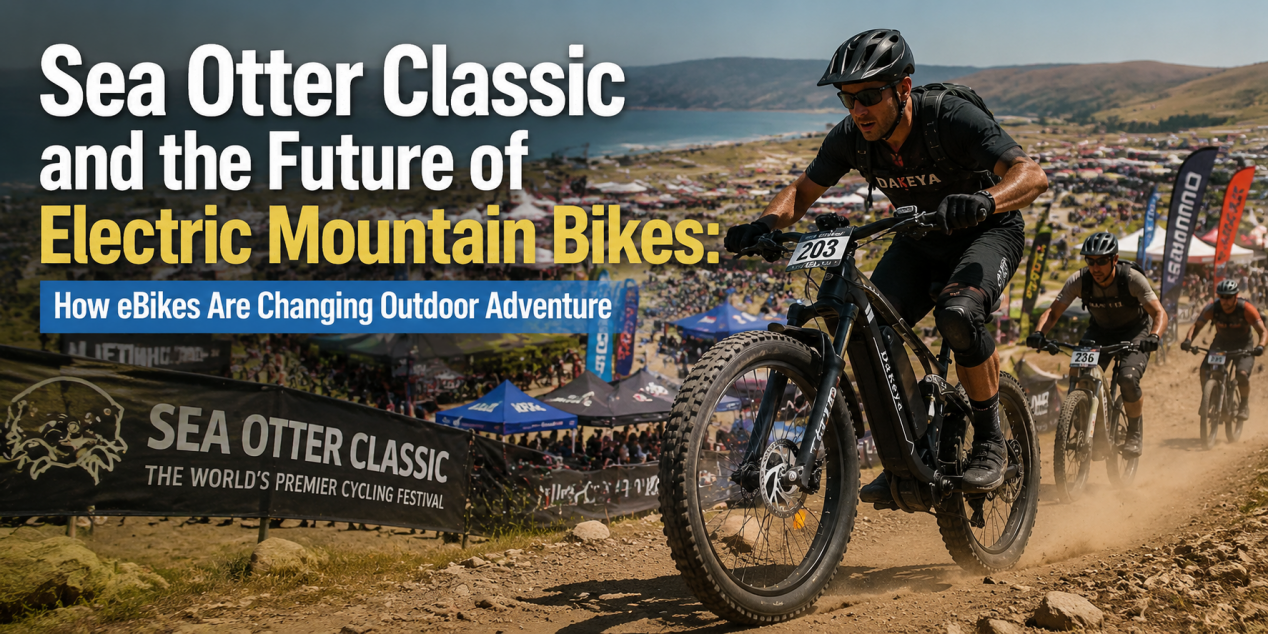
Every year, cycling enthusiasts, professional riders, and outdoor brands gather in Monterey, California for one of the biggest cycling festivals in the United States — the Sea Otter Classic.
Founded in 1991, Sea Otter Classic has grown from a regional mountain bike race into a world-class cycling expo and festival. With over 70,000 attendees and hundreds of brands showcasing the latest in cycling technology, it has become the definitive pulse-check for where the cycling industry is headed.
In recent years, no trend has dominated the Sea Otter Classic floor more than electric mountain bikes (eMTBs). From dual-motor fat tire rigs to lightweight trail-focused eMTBs, the 2026 event made one thing clear: the electric revolution in cycling is no longer coming — it has arrived.
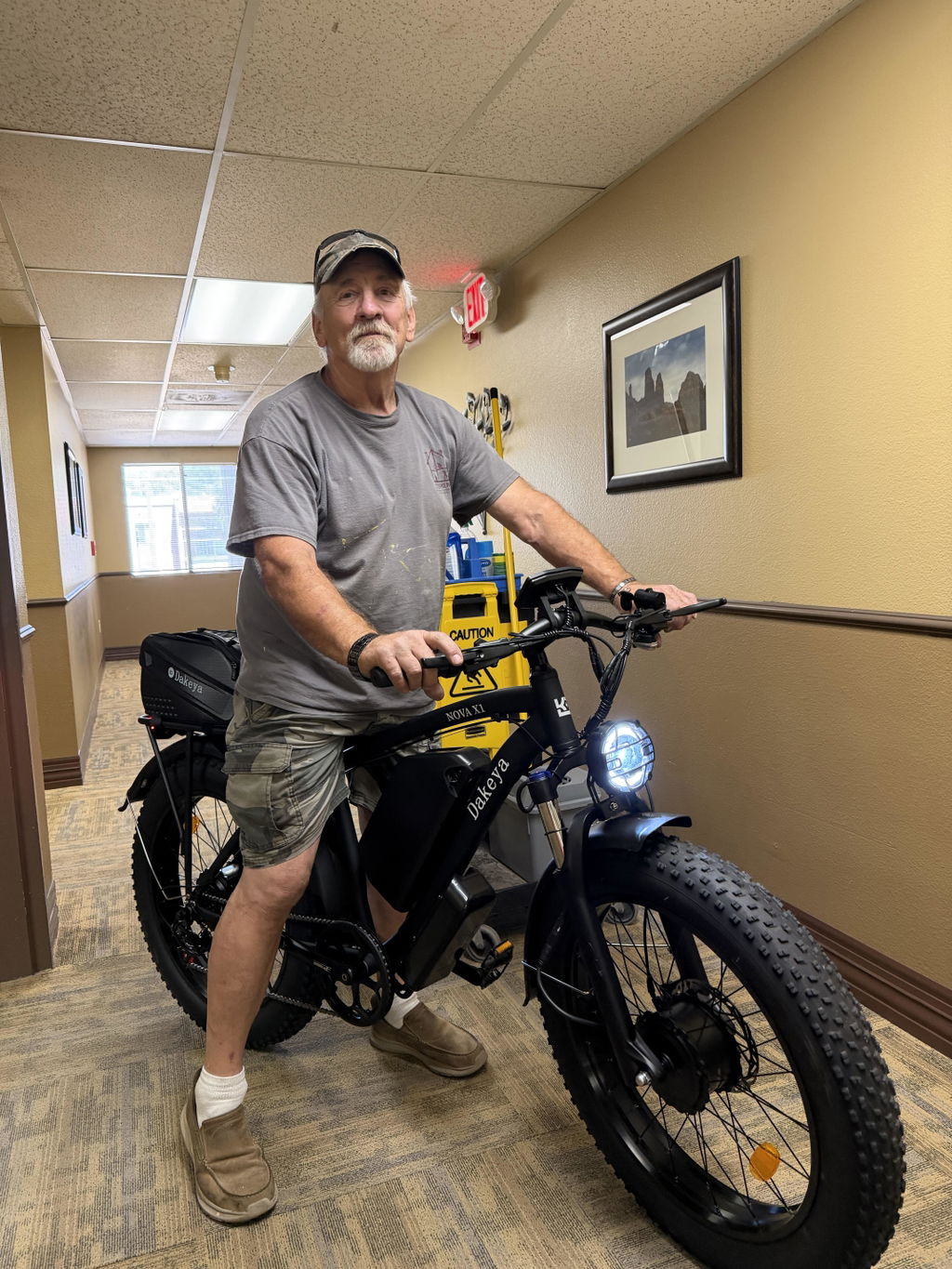
Brands like Dakeya are at the forefront of this shift, developing adventure-focused electric bikes designed for riders who want a combination of power, stability, and long-distance capability. Models such as the Dakeya NOVA X1 are built around the needs of outdoor enthusiasts who enjoy trail riding, exploration, and weekend adventures.
What Happened at Sea Otter Classic 2026?
The 2026 Sea Otter Classic saw a record number of eMTB brands and models on display. Industry observers noted that electric mountain bikes now occupy a significant portion of the expo floor — a dramatic shift from just five years ago when eMTBs were a niche category.
Key trends observed at the 2026 event included:
- Dual-motor systems becoming mainstream for off-road performance
- UL 2849 safety certification emerging as a key purchasing criterion for American consumers
- Fat tire designs gaining popularity beyond winter riding into year-round adventure use
- Longer battery range as brands compete to offer 60–100+ mile capability
- Integrated displays and app connectivity for ride data and motor tuning
The event also featured eMTB demo rides on local trails, allowing attendees to experience the difference between Class 1, 2, and 3 electric bikes firsthand — a hands-on education that is accelerating consumer adoption across the country.
The Growing Popularity of Electric Mountain Bikes in America
Electric mountain bikes have fundamentally changed how many Americans approach outdoor riding. Traditional mountain biking requires significant physical effort, especially when climbing steep terrain or riding long distances. While that challenge remains attractive to many riders, eMTBs provide an additional level of support through pedal-assist technology — making the sport more accessible without removing the joy of riding.
According to industry research, eMTB sales in the United States have grown significantly year over year, with fat tire and dual-motor models seeing some of the strongest demand. This growth is driven by a broader demographic: older riders returning to cycling, commuters seeking car alternatives, and outdoor adventurers looking for a more capable trail companion.
Modern electric mountain bikes allow riders to:
- Explore longer trails without exhaustion
- Ride more challenging terrain with greater confidence
- Spend more time outdoors regardless of fitness level
- Enjoy cycling as a family or group with mixed abilities
This does not replace the cycling experience — it expands who can participate. At events like Sea Otter Classic, the growth of eMTB technology reflects a larger shift toward more accessible and versatile outdoor transportation.
What Makes an Electric Mountain Bike Ready for Adventure?
Not every electric bike is designed for off-road riding. Adventure-focused eMTBs require a specific combination of performance, durability, and comfort that separates them from urban commuter bikes.
1. Powerful and Efficient Motor Performance

For trail riding, motor performance is about more than top speed. The key factors that determine real-world off-road capability include:
- Torque output — higher torque means better climbing on steep grades
- Hill-climbing ability — essential for mountain and forest trail riding
- Smooth power delivery — prevents wheel spin on loose surfaces
- Battery efficiency — determines how far you can ride on a single charge
The Dakeya DA03 is designed for riders who prioritize strong acceleration, climbing ability, and extended outdoor capability. With a high-output dual motor system, full suspension, and a durable frame design, it offers the performance needed for demanding riding environments — and carries UL 2849 safety certification for added peace of mind.
Riders should always understand local regulations before riding. In many areas of the United States, electric bicycles are classified into different categories based on motor assistance levels, speed limits, and throttle operation.
2. Frame and Suspension Design
A capable adventure eMTB needs a frame built to absorb punishment. Full suspension systems — with both front fork and rear shock — dramatically improve comfort and control on rocky, rooted, or uneven terrain. Look for:
- Aircraft-grade aluminum or carbon fiber frames
- At least 120mm of suspension travel for trail riding
- Geometry optimized for stability at speed
- Reinforced welds and dropout points for motor and battery loads
3. Braking Systems
Electric mountain bikes are heavier than traditional bikes due to the motor and battery. This makes high-quality hydraulic disc brakes essential — not optional. Hydraulic brakes provide consistent stopping power in wet, muddy, and steep conditions where mechanical brakes can fade or lose effectiveness.
Understanding eBike Classes in the United States
One of the most important topics for American electric bike riders is understanding eBike classifications. Regulations vary by state and trail system, and riding the wrong class of eBike in the wrong location can result in fines or trail access restrictions.

Most states recognize a three-class system established by People for Bikes and adopted into law across the country:
Class 1 Electric Bikes
Class 1 eBikes provide pedal assistance only — no throttle — and assist up to 20 mph. They are the most widely accepted class on bike paths, multi-use trails, and national forest roads. If you plan to ride on public trails, a Class 1 mode is often required.
Class 2 Electric Bikes
Class 2 eBikes include throttle assistance and provide motor support up to 20 mph. These bikes are popular among commuters and recreational riders who want the option to ride without pedaling. Trail access for Class 2 varies by location.
Class 3 Electric Bikes
Class 3 eBikes provide pedal assistance up to 28 mph and are generally restricted to roads and bike lanes rather than off-road trails. They are well-suited for fast commuting and road riding. Always check local regulations before riding Class 3 on trails.
Many high-performance eMTBs — including Dakeya models — offer selectable riding modes that allow riders to operate within Class 1 or Class 2 parameters depending on where they are riding. This flexibility is an important feature for riders who use their bike across multiple environments.
Fat Tire eBikes: Built for More Than Just Trails


One of the most popular and fastest-growing categories in the electric bike market is the fat tire eBike. Originally developed for snow and sand riding in Alaska, fat tire bikes have evolved into versatile all-terrain machines that perform well in almost any environment.
Fat tire electric bikes use tires typically 4 inches wide or greater, designed to improve stability, traction, and comfort across different surfaces.
Better Stability
The wider contact area provides significantly increased balance and grip, especially on challenging surfaces including gravel, dirt roads, sand, snow, mud, and uneven rocky terrain. This makes fat tire eBikes an excellent choice for riders who explore varied environments on a single ride.
More Comfortable Riding
Large-volume tires run at lower air pressure, which allows them to absorb small bumps, roots, and vibrations naturally. This creates a smoother ride experience without requiring a full suspension system — though many fat tire eMTBs combine both for maximum comfort.
Greater Versatility
A fat tire eBike can transition between dramatically different environments in a single day, making it the ideal choice for riders who enjoy camping trips, coastal exploration, forest trails, desert riding, and weekend adventures. This all-season, all-terrain versatility is a key reason fat tire eBikes have become the most popular adventure eBike category in America.
Can Electric Bikes Handle Serious Outdoor Riding?
A common question among riders new to eMTBs is whether electric bikes can truly handle demanding off-road environments. The short answer: yes — but only if the bike is purpose-built for it.
Adventure-ready electric mountain bikes are engineered differently from urban commuter eBikes. Key features that separate serious off-road eMTBs from entry-level models include:
- Strong aluminum or alloy frames rated for off-road stress loads
- Full or front suspension systems for trail absorption
- Hydraulic disc brakes for reliable stopping on descents
- High-capacity batteries (48V or higher) for extended range
- Durable fat tires with aggressive tread patterns
- UL 2849 safety certification for electrical system safety
UL 2849 is an important standard for American consumers. It certifies that the entire electrical system — battery, motor, charger, and wiring — has been independently tested for safety. When purchasing an eBike for serious outdoor use, UL 2849 certification is a strong indicator of quality and reliability.
Sea Otter Classic and the Future of Cycling
Events like Sea Otter Classic do more than showcase new products — they shape the direction of the entire cycling industry. The conversations happening on the expo floor, the demo rides on local trails, and the feedback from thousands of riders all influence what brands build next.
The message from Sea Otter Classic 2026 is clear: electric bikes are no longer a separate category. They are cycling — evolved. The future is not about replacing traditional bicycles but about creating more options for more riders.
Electric bikes allow:
- Experienced cyclists to explore farther and tackle bigger terrain
- Beginners to enter the sport with greater confidence
- Older riders to continue enjoying trails they might otherwise have left behind
- Outdoor enthusiasts to plan longer, more ambitious adventures
- Families to ride together regardless of fitness differences
As battery technology improves, motors become more efficient, and safety standards like UL 2849 become more widespread, eBikes will continue becoming a central part of American outdoor culture — not a footnote to it.
Choosing the Right Electric Bike for Your Adventure
With so many options on the market, choosing the right eMTB can feel overwhelming. Here is a practical framework to help you decide:
Define Your Riding Environment
Where you ride most often should drive your decision. Road and commute riders need different geometry and tire profiles than trail and off-road riders. If you plan to ride across multiple environments, look for a versatile fat tire eMTB with selectable assist modes.
Evaluate Battery Range Honestly
Manufacturers often quote range under ideal conditions. Real-world range depends on terrain, rider weight, assist level, and temperature. For adventure riding, look for bikes with at least 48V battery systems and consider models that support dual battery configurations for extended trips.
Prioritize Safety Certification
In the United States, UL 2849 certification is the gold standard for eBike electrical safety. It is especially important for high-power dual-motor systems. Always verify certification before purchasing.
Why Adventure Riders Choose Dakeya eBikes
Dakeya focuses on creating adventure-oriented eBikes that combine powerful dual-motor systems, UL 2849 certified electrical components, durable fat tire designs, and practical features for everyday riders. Whether you are exploring trails, commuting across the city, or planning a multi-day outdoor adventure, Dakeya offers models built to perform where other bikes stop.
Explore the full lineup at dakeyabike.com.
Frequently Asked Questions About Electric Mountain Bikes
Are electric mountain bikes legal on trails in the United States?
It depends on the trail and the eBike class. Class 1 eMTBs (pedal assist only, up to 20 mph) are permitted on most trails that allow traditional mountain bikes. Class 2 and Class 3 access varies by location. Always check with your local land management agency before riding.
What is UL 2849 certification and why does it matter?
UL 2849 is an independent safety standard for eBike electrical systems, covering the battery, motor, charger, and wiring. Bikes with this certification have been tested to reduce the risk of electrical fires and failures. It is an important safety credential for any high-power eBike purchase.
How far can a fat tire eBike travel on one charge?
Range varies significantly based on motor power, battery capacity, terrain, rider weight, and assist level. Most quality fat tire eMTBs offer 30–60 miles of real-world range in standard assist mode, with some high-capacity models capable of 80+ miles in eco mode.
What is the difference between a dual motor and single motor eBike?
A dual motor eBike has motors on both the front and rear wheels, providing all-wheel drive traction. This dramatically improves climbing ability, stability on loose terrain, and overall off-road performance. Single motor bikes are lighter and more efficient for road use, while dual motor bikes excel in demanding off-road conditions.
Can I ride an eBike in the rain or on wet trails?
Most quality eMTBs are designed to handle light rain and wet conditions. Look for bikes with an IP rating on the motor and battery, and hydraulic disc brakes that maintain performance when wet. Avoid submerging the bike or riding through deep water unless the manufacturer specifically rates the bike for it.
Experience the Next Generation of Outdoor Riding
Sea Otter Classic represents the passion, innovation, and adventure that define American cycling culture. As electric mountain bikes continue growing in popularity, more riders are discovering new ways to explore trails, travel farther, and enjoy the outdoors on their own terms.
Whether you are searching for a commuter eBike, a fat tire adventure bike, or a dual-motor off-road electric mountain bike, choosing the right model means finding the balance between performance, comfort, safety certification, and legal compliance.
The future of cycling is electric — and the adventure is just beginning.
Ready to find your next adventure bike? Explore Dakeya's full collection of UL 2849 certified fat tire eBikes — built for riders who want more range, more confidence, and more possibilities on every journey.


Share:
What's the Difference Between Class 1, Class 2 and Class 3 E-Bikes? Full US Buyer's Guide